

Perspectives on category strategy, product innovation, pricing, and what drives performance at shelf.
Insights are drawn from broader market dynamics, industry trends, and experience across the category—focused on patterns, opportunities, and what drives results

Can Consumers Realistically Finish Your Product?
Can Consumers Realistically Finish Your Product?
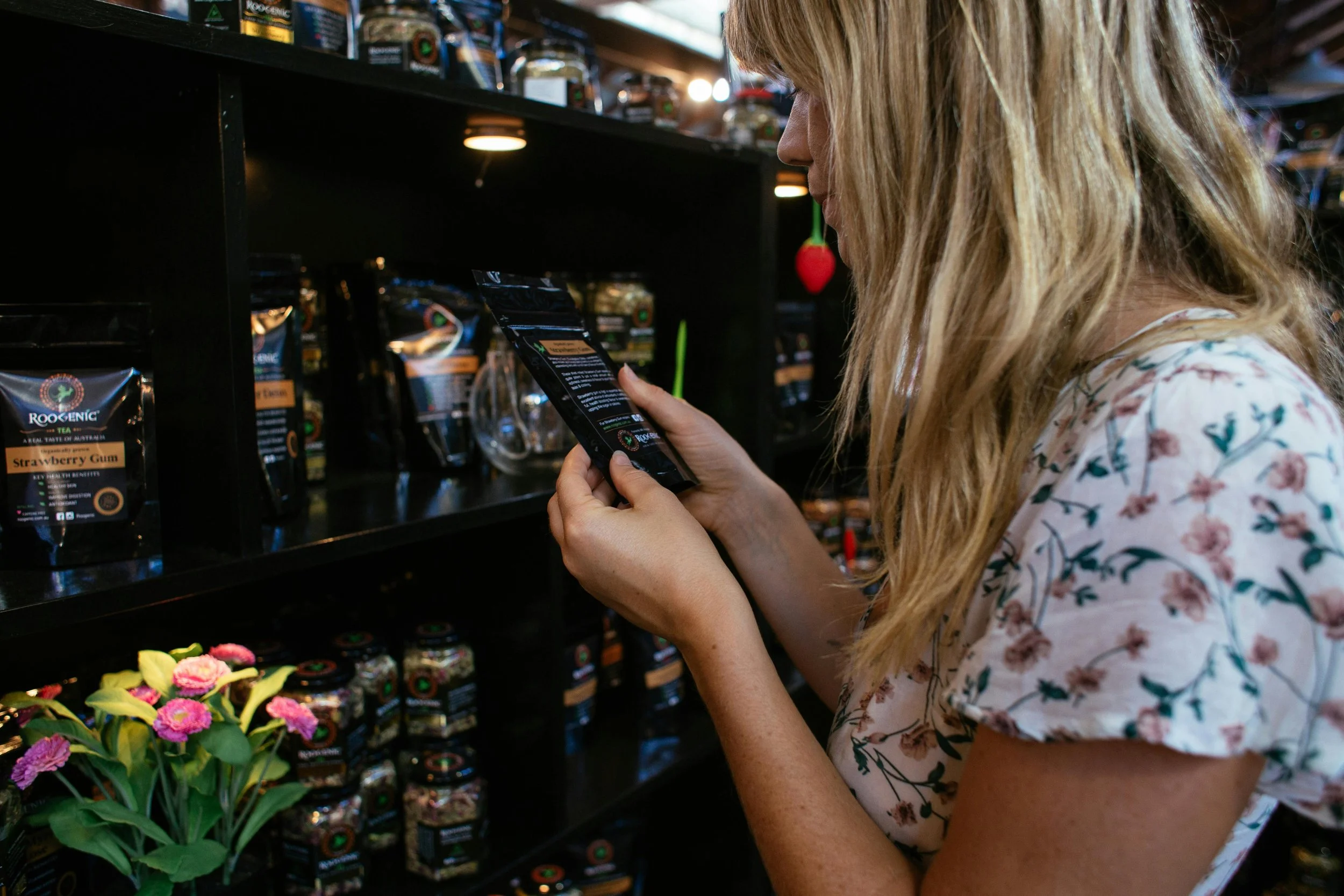
As a passionate foodie, I love trying new products.
One of the things I enjoy most is discovering something new on the shelf, bringing it home, and incorporating it into my routine.
But recently I found myself standing in front of a product and asking a simple question: Can I realistically finish this before it expires?
As a passionate foodie, I love trying new products.
One of the things I enjoy most is discovering something new on the shelf, bringing it home, and incorporating it into my routine.
But recently I found myself standing in front of a product and asking a simple question:
Can I realistically finish this before it expires?
It's not a question we often talk about when developing products, but it's one that consumers ask themselves every day - whether consciously or subconsciously.
Many food products are designed around manufacturing efficiencies, packaging constraints, or value perceptions. Bigger sizes can offer better economics, stronger shelf presence, and a lower cost per unit.
But consumers don't always experience products the way manufacturers intend.
Many households today are smaller than they were a generation ago and consumer habits have evolved. People are cooking differently, eating differently, and often experimenting with a wider variety of foods rather than repeatedly purchasing the same items.
When consumers bring a product home, a new set of questions begins:
How often will I actually use this?
How long will it stay fresh after opening?
Can I reasonably finish it?
What happens if I don't?
Sometimes consumers freeze products, transfer them into different containers or change how they use them; sometimes they simply stop buying them altogether.
The challenge is that these workarounds can change the product experience.
Texture may change.
Flavour may change.
Functionality may change.
And when the experience changes, so does the consumer's perception of the brand.
One of the most overlooked aspects of product development is what happens after purchase.
The consumer journey doesn't end when a product leaves the shelf. In many ways, that's where it begins.
The products that earn repeat purchases are often the ones that fit naturally into consumers' lives—not just at the point of purchase, but throughout the entire usage experience.
As food companies think about innovation, packaging, and commercialization, it may be worth asking an additional question:
Is the product designed for how consumers actually use it?
Sometimes the barrier to repeat purchase isn't taste, quality, or price.
Sometimes it's simply that consumers can't finish the product before the experience starts to change.
In many cases, the most valuable consumer insight isn't gathered in a focus group or a survey.
It's found in the everyday decisions consumers make once the product gets home.
Read on LinkedIn.
Are your usage instructions sabotaging your brand?
Are your usage instructions sabotaging your brand?
Recently, I opened a jarred product packed in olive oil that I initially really enjoyed. The flavor was excellent and the quality was exactly what I expected. However, like many smaller households, we didn’t finish the entire jar in one sitting. After following the label instructions to refrigerate after opening, the olive oil firmed up in the jar, making it difficult to remove the product within it and keep it properly submerged.
I continued using the item, but the experience made me pause and think about whether I would purchase it again.
It’s a small moment, but it highlights a bigger issue I see often when working with brands: products are tested for launch, but not always tested for real-life use.
Are your usage instructions sabotaging your brand?
Recently, I opened a jarred product packed in olive oil that I initially really enjoyed. The flavor was excellent and the quality was exactly what I expected. However, like many smaller households, we didn’t finish the entire jar in one sitting. After following the label instructions to refrigerate after opening, the olive oil firmed up in the jar, making it difficult to remove the product within it and keep it properly submerged.
I continued using the item, but the experience made me pause and think about whether I would purchase it again. It’s a small moment, but it highlights a bigger issue I see often when working with brands: products are tested for launch, but not always tested for real-life use.
Consumers don’t always use products the way the development team imagines. They refrigerate, freeze, reheat, store, partially use, and revisit later. If the usage instructions change the product’s texture, performance, or ease of use, that experience becomes part of the brand.
When developing or reviewing a product, it’s worth asking: Have you followed your own usage instructions exactly as written? Have you tested what happens after the product is opened but not finished? Have you asked people outside the development team to use it in their own kitchens? Does the product still perform the way the consumer expects after storage, reheating, or refrigeration?
In today’s market, repurchase often depends on the second or third use, not the first. Ease of use, storage behavior, and clarity of instructions can make the difference between a one-time trial and a repeat customer.
Curious if others in product development, merchandising, or brand management have seen similar issues with real life product usage after launch.
Read on LinkedIn.